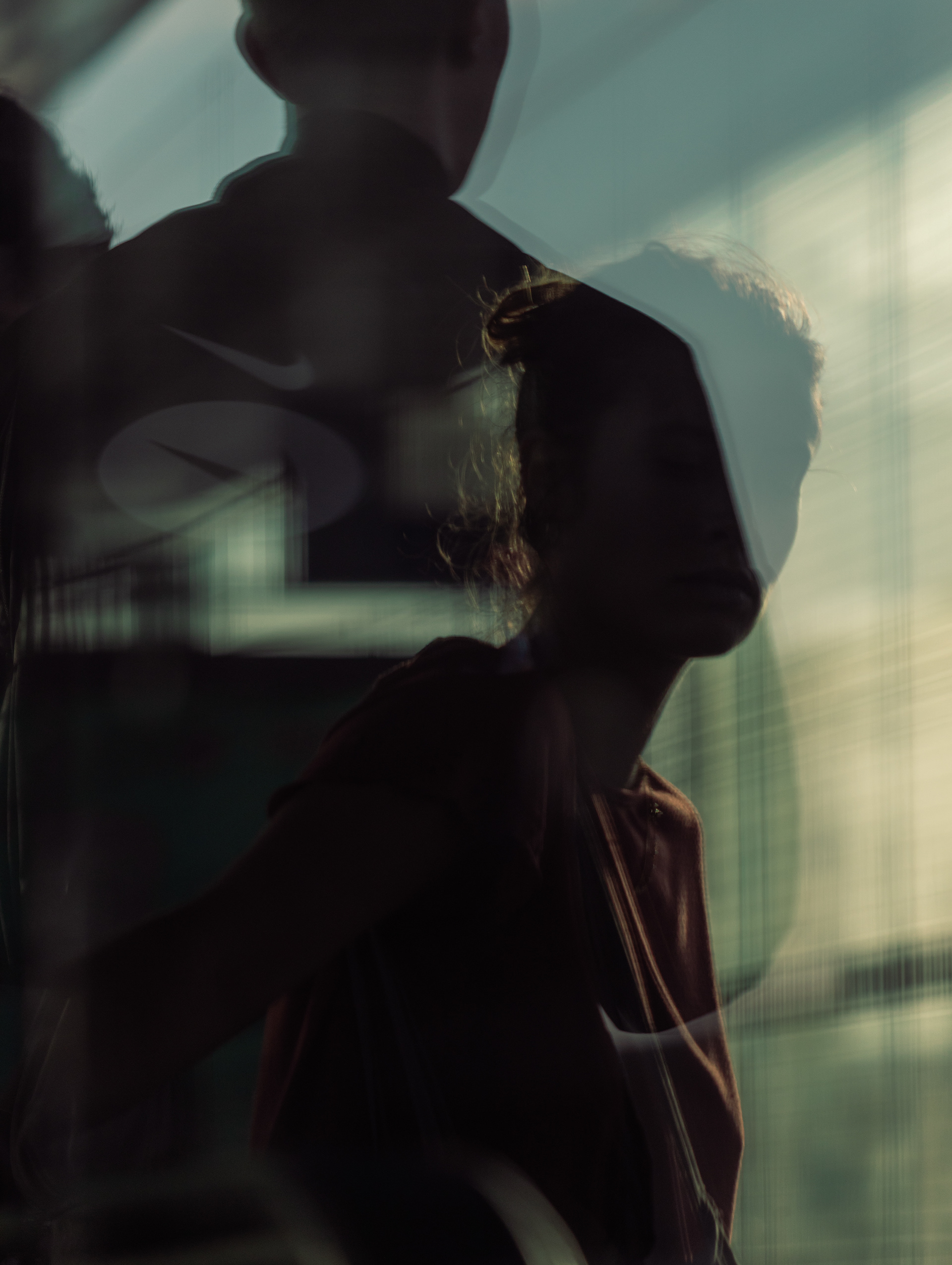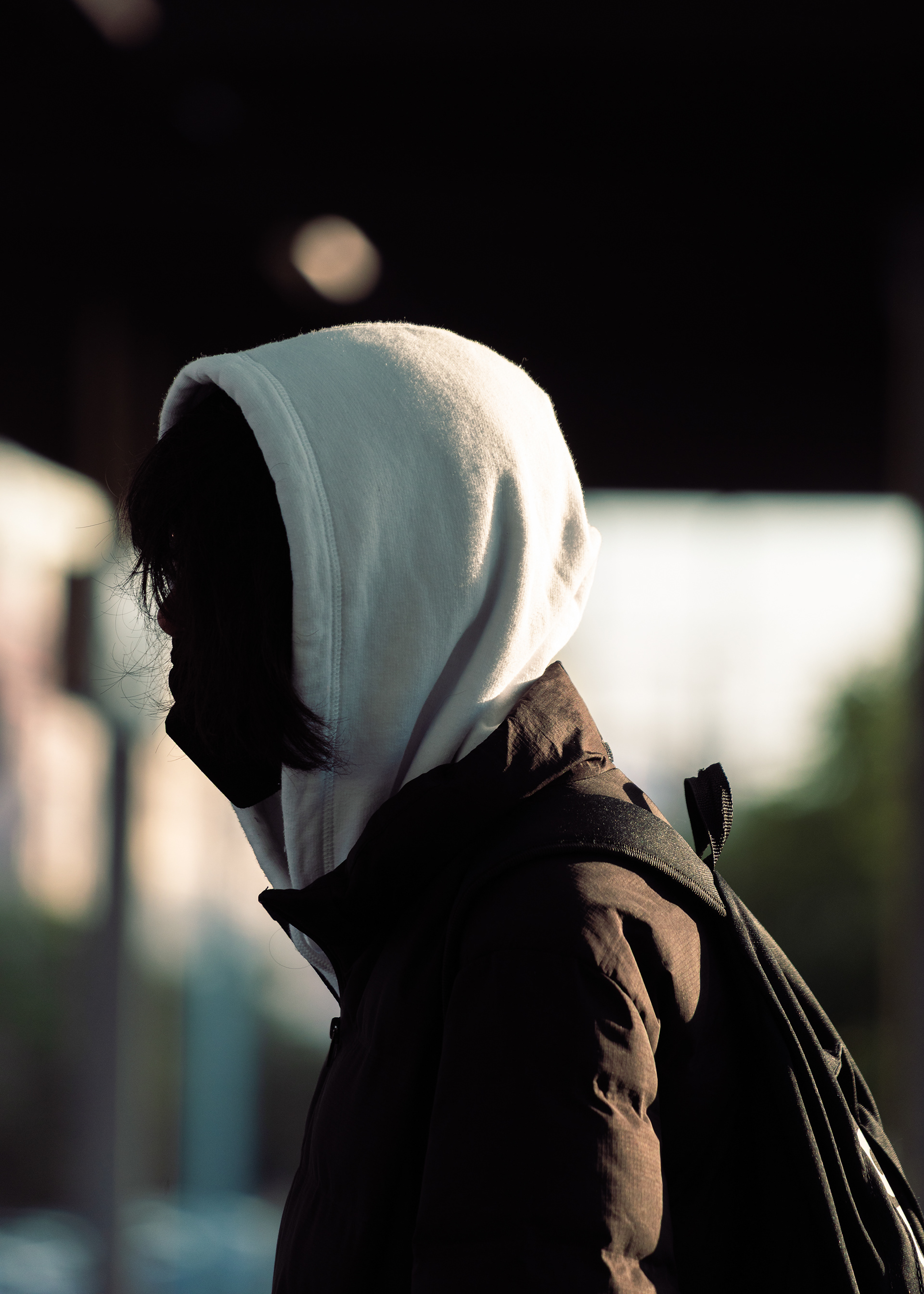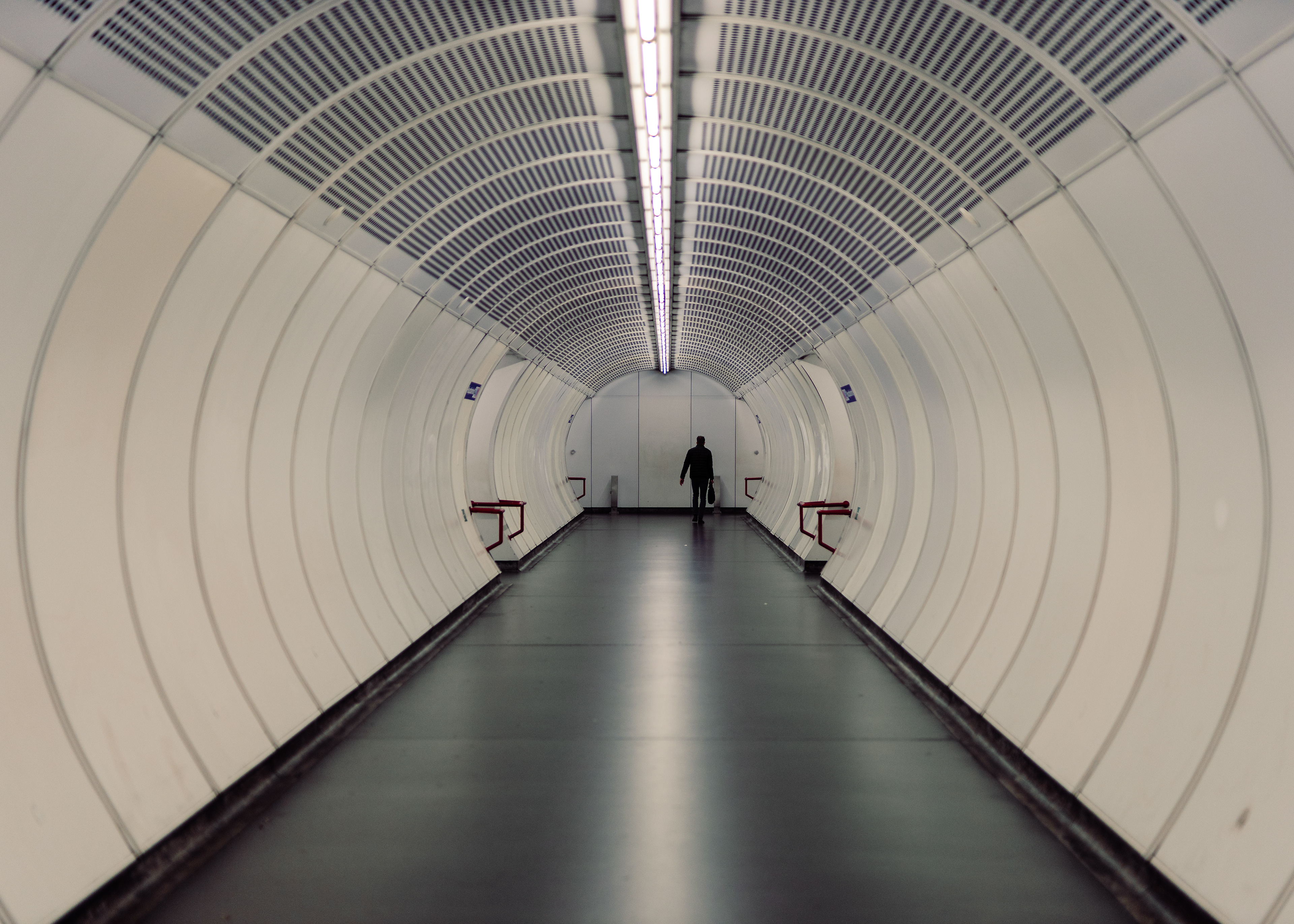
I began making Surface towards the end of my time in Vienna. Knowing I would soon be leaving for good, I wanted to reflect on what had changed during my five years in the city. The language barrier meant that I encountered Vienna primarily through a visual language; photography became my way of reading it and getting to know it.
Those years had been shaped by the pandemic. Lockdown restricted movement and physical contact, but it also reconfigured the social imagination. It became a kind of cocoon in which distrust of mainstream media crystallised, algorithmic echo chambers took firmer hold, and people experienced the same crisis through increasingly separate versions of reality.
Those years had been shaped by the pandemic. Lockdown restricted movement and physical contact, but it also reconfigured the social imagination. It became a kind of cocoon in which distrust of mainstream media crystallised, algorithmic echo chambers took firmer hold, and people experienced the same crisis through increasingly separate versions of reality.
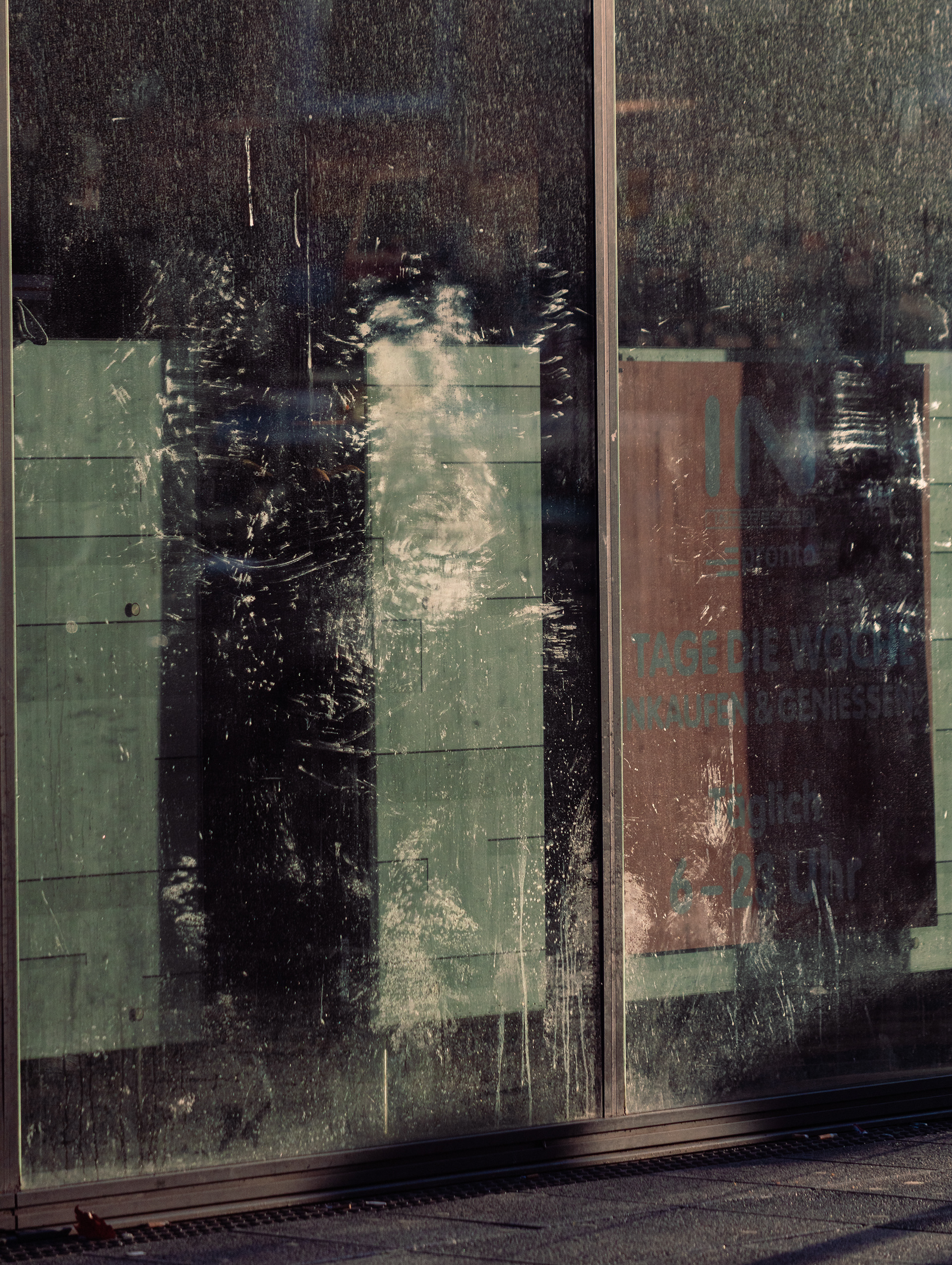
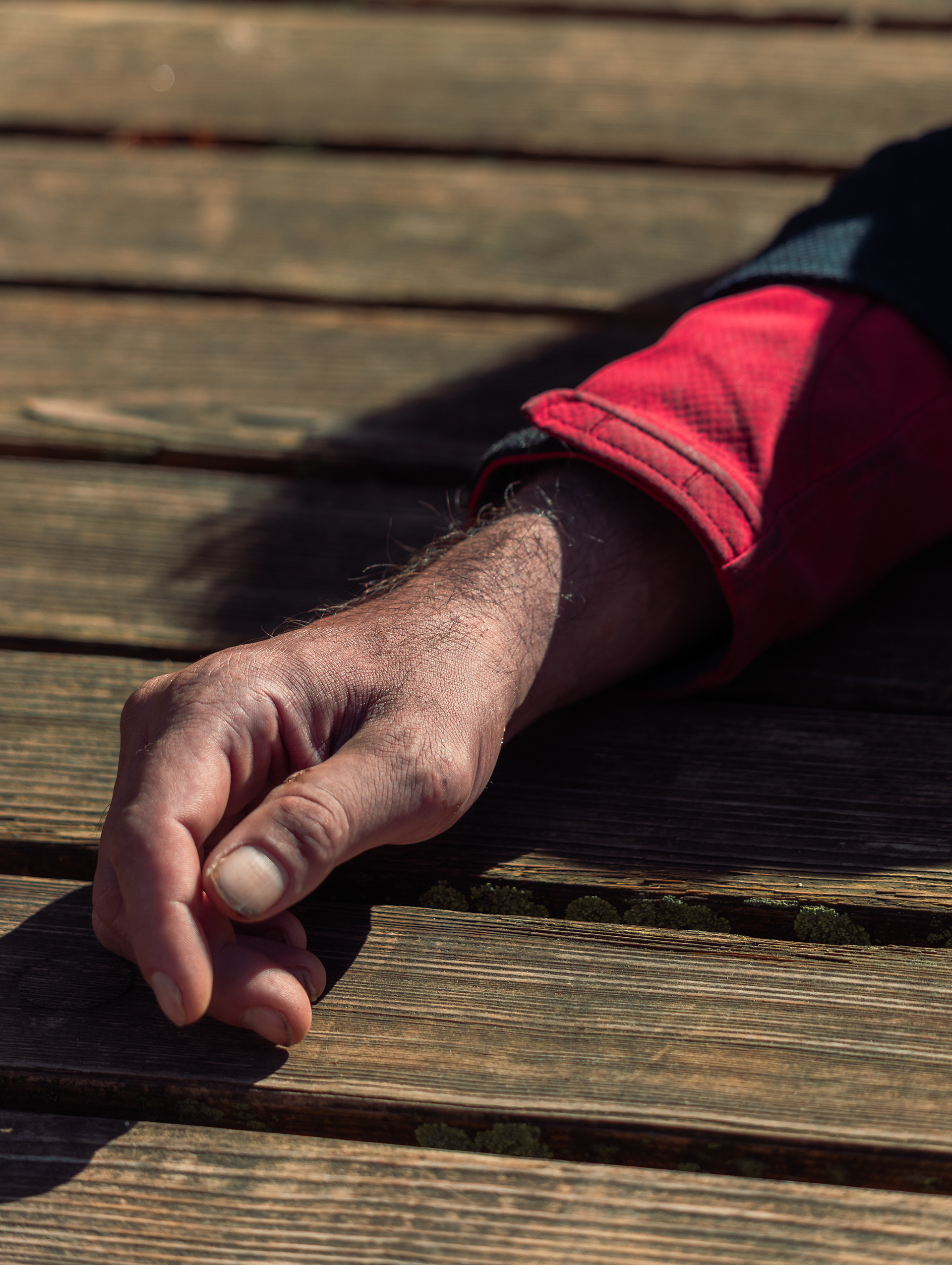
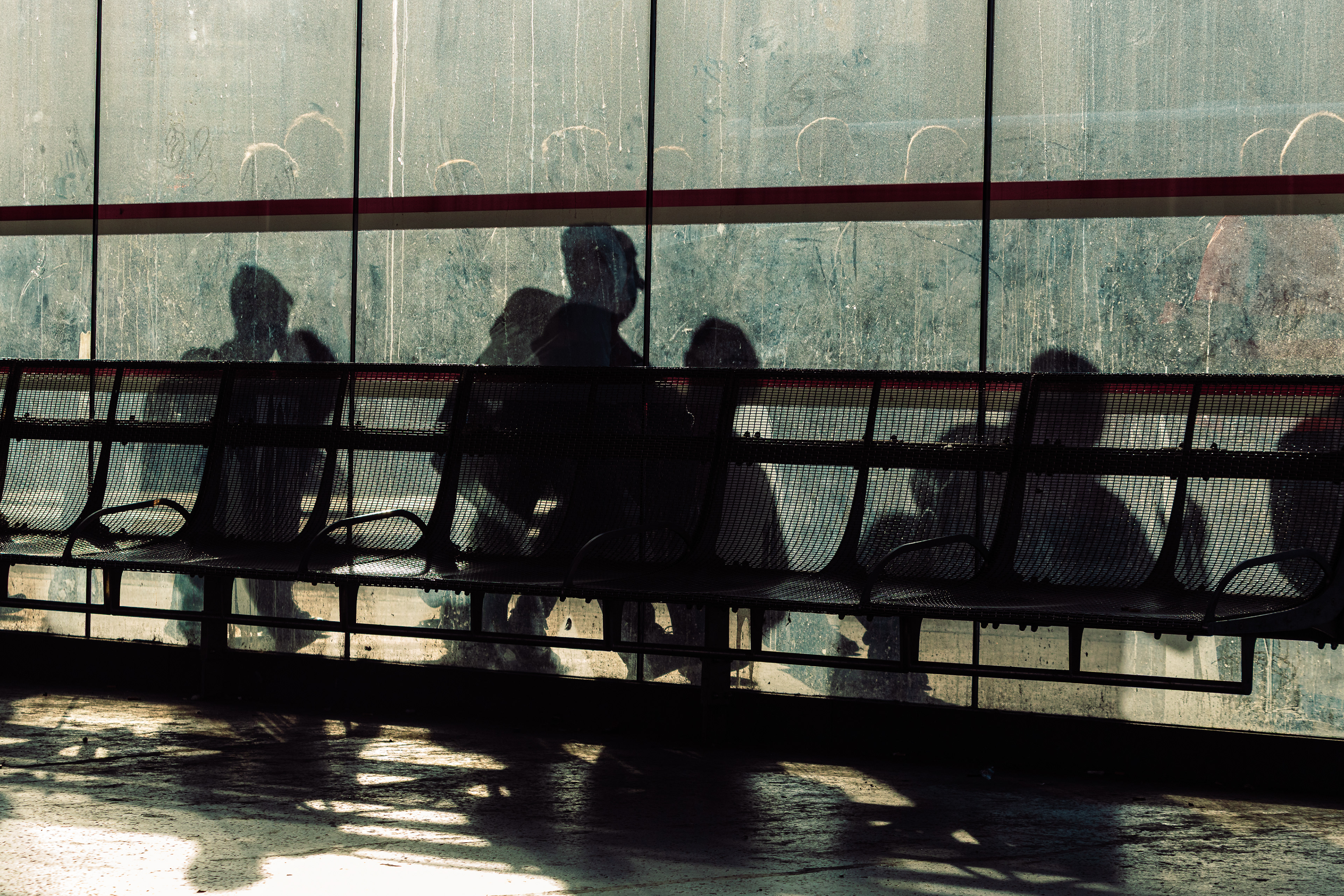
Wien Hauptbahnhof seemed an appropriate place to explore that estrangement. A station depends upon proximity: strangers pass one another, share benches and touch the same doors and handrails. After the pandemic, these ordinary points of contact felt newly charged. Fingerprints on glass, discarded cups and cigarette butts became traces of bodies that had already moved on.
Surface moves between commuters and the marks they leave behind. The absence of touch during lockdown had intensified a sense of separation, yet surfaces remained the places where we still met physically—evidence of contact between people who might never see or speak to one another.